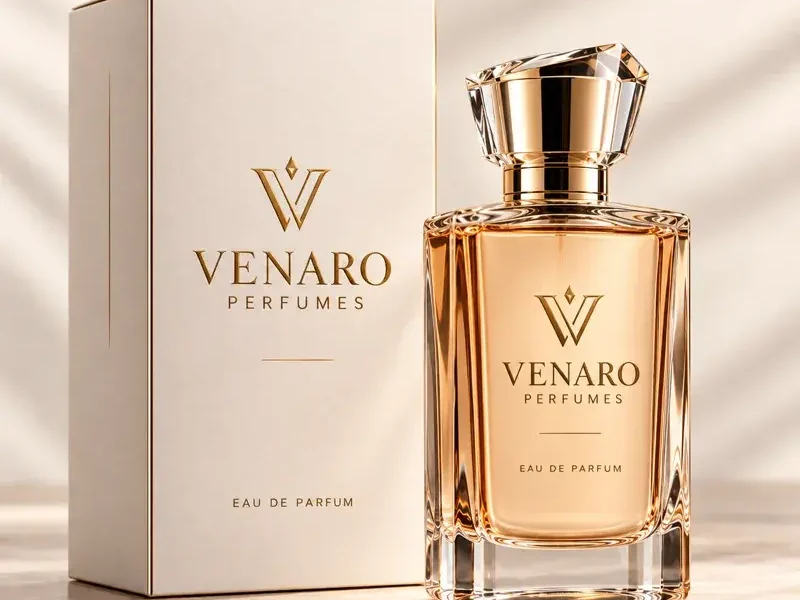
Every perfume is a fragrance concentrate (the perfumer’s formula) dissolved in alcohol, sometimes with a little water. The words on the label tell you roughly how much concentrate is inside. There is no legal definition, so ranges vary between brands, but the industry follows these broad bands.
| Label | Typical concentrate | How it wears |
|---|---|---|
| Extrait de parfum / parfum | 20–30% | Rich, close to the skin, often 8+ hours |
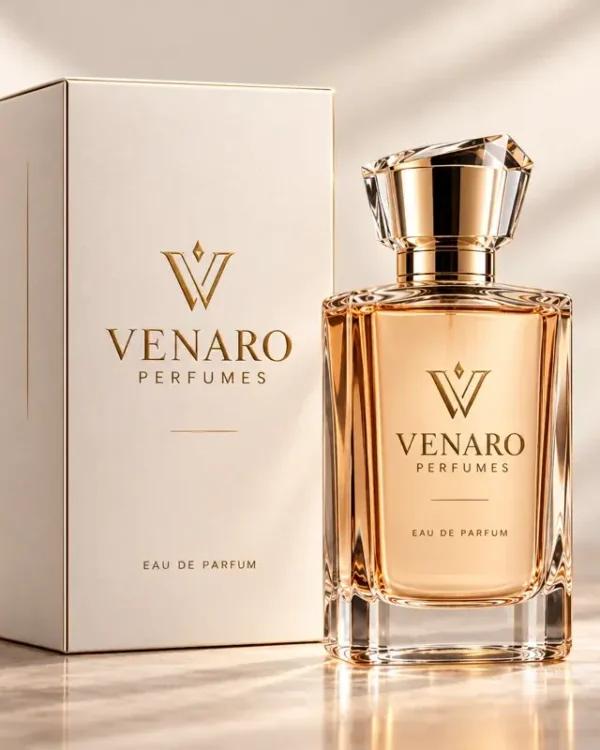
| Eau de parfum (EDP) | 15–20% | Full and long-lasting, 6–8 hours |
| Eau de toilette (EDT) | 5–15% | Fresher, brighter, 3–5 hours |
| Eau de cologne (EDC) | 2–5% | A splash of freshness, 1–2 hours |
| Body mist | 1–3% | Light, refreshing, reapply through the day |
Stronger is not always louder
A higher concentration usually means more longevity, not necessarily more projection. Many extraits sit close to the skin and feel intimate, while some eaux de toilette are built with bright, diffusive materials that fill a room for the first hour.
Same name, different perfume
When a brand releases the EDT and EDP of the same perfume, the formulas are often adjusted, not just diluted. The EDP may have more vanilla, amber or woods; the EDT more citrus and freshness. Always try both before you buy.
Which should you choose?
- Hot days, office, gym: an EDT or a body mist.
- Evenings, events, cooler months: an EDP or extrait.
- Want a scent that stays all day without being noticed across the room? An extrait applied to pulse points.
- Unsure? Try the 5ml tester first and wear it for a full day.
Tip: in Pakistan’s heat, an EDP applied to moisturised skin and clothing often outlasts an extrait applied to dry skin.