A great formula is only half a perfume. This masterclass covers how a concentrate becomes an eau de parfum, a body mist, a candle or a diffuser, how to make sure it stays stable and safe, and how to cost it.
By the end you will be able to
- Choose the right concentration and base for each product type
- Macerate, chill and filter a perfume correctly
- Run a simple stability test and read the results
- Check a formula for IFRA compliance and allergen labelling, and calculate its cost
Your kit
- Your accord or formula from Masterclass 03
- Perfumer’s alcohol (denatured ethanol), dipropylene glycol (DPG), glass bottles, a fridge and coffee filters or lab filter paper
- Access to the current IFRA Standards and your suppliers’ IFRA certificates and safety data sheets
Week 1 · Concentrations and bases
Typical ranges: extrait/parfum 20–30% concentrate, eau de parfum 15–20%, eau de toilette 5–15%, eau de cologne 2–5%, body mist 1–3%. Fine fragrance uses ethanol; oils use carriers such as DPG or fractionated coconut oil; mists need water with a solubiliser.
Exercises
- Make your formula at 8%, 15% and 22% in alcohol. Compare opening, projection and longevity.
Homework: Choose the concentration you would sell and justify it in 100 words.
Week 2 · Maceration, chilling and filtering
After mixing, a perfume needs time for materials to settle and react: usually two to six weeks in a cool, dark place. Chilling for 24–48 hours then filtering removes waxes that would make it cloudy.
Exercises
- Smell the same perfume at day 0, 7, 14 and 28. Record what changes.
Homework: Write your standard operating procedure for making a 100 ml batch.
Week 3 · Stability and discolouration
Keep samples at room temperature, in a warm place (around 40 °C), in light and through fridge–room temperature cycles for 4–12 weeks. Watch colour, clarity and smell. Vanillin, indole and methyl anthranilate are common causes of browning; some combinations form Schiff bases that darken over time.
Exercises
- Set up a 4-condition stability test for your perfume and log it weekly.
Homework: Decide which packaging protects your perfume best (clear vs coloured glass, boxes).
Week 4 · IFRA compliance and allergen labelling
The IFRA Standards set maximum levels for many materials, by product category (fine fragrance, body mists, candles and so on). Suppliers provide IFRA certificates for their compounds. In the EU and many markets that follow EU rules, listed fragrance allergens must be named on the label above set thresholds in the finished product; Regulation (EU) 2023/1545 expands that list to about 80 allergens: new products must comply from 31 July 2026, and products already on sale by 31 July 2028.
Exercises
- Calculate the level of three restricted materials in your finished EDP and check them against the IFRA limits for fine fragrance.
Homework: Draft the ingredient list for your label.
Week 5 · Candles, diffusers and mists
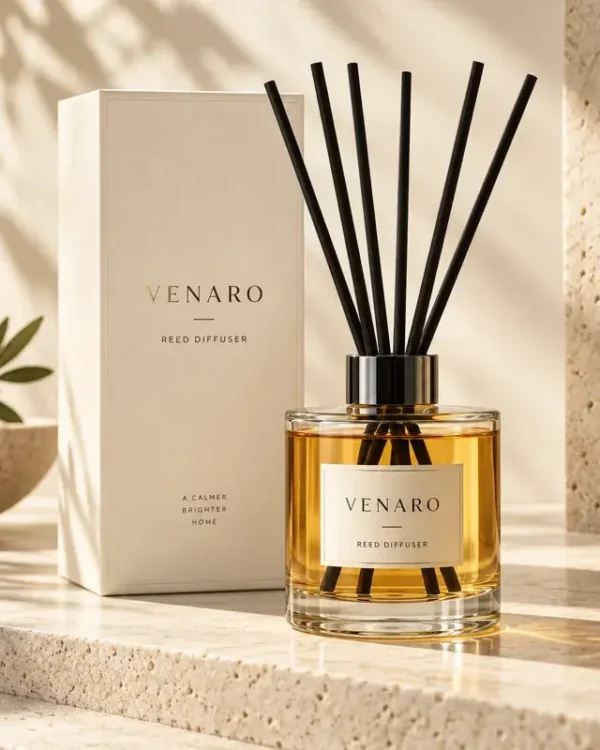
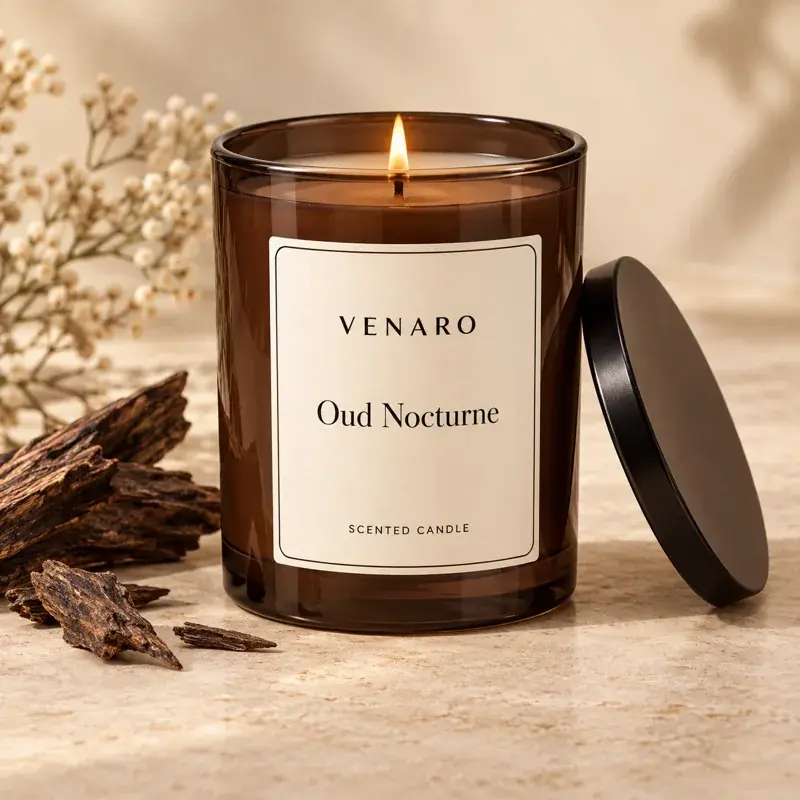
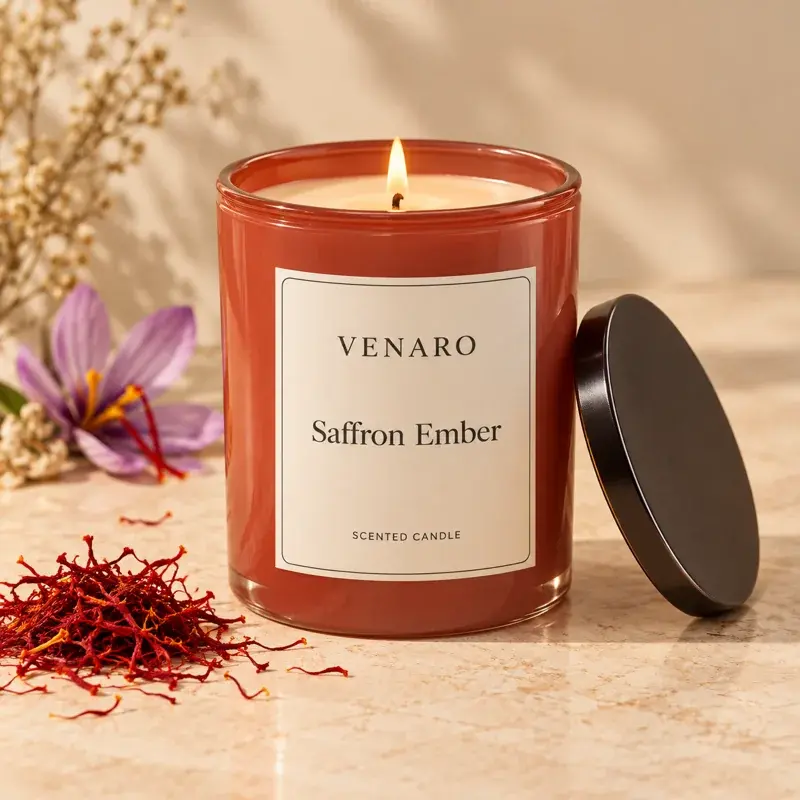
Each format changes how fragrance behaves. Candles need wax-compatible oils at a tested fragrance load (often 6–10%) and flash-point awareness; reed diffusers need a solvent base that travels up the reeds; mists need low concentrations and good solubility.
Exercises
- Adapt your formula for one home format and list which materials you would remove or replace, and why.
Homework: Read the IFRA category for your chosen format.
Week 6 · Costing, briefs and testing
Cost per kilo of concentrate, multiplied by its dose, gives the fragrance cost per bottle; add packaging, filling, testing and margin. Professional development also includes a written brief and blind consumer testing.
Exercises
- Build a cost sheet for a 50 ml EDP.
- Run a blind test with five people comparing your perfume with one reference.
Homework: Final project (below).
Final project
Final project: a labelled 10 ml EDP made from your own formula, with batch record, stability log, IFRA check, allergen list and cost sheet.
Safety
This masterclass is educational. Selling cosmetics is regulated: follow the IFRA Standards, your suppliers’ SDS, and the cosmetic laws of every country where you sell, and seek a qualified safety assessment where required.
Further reading
- IFRA Standards and guidance on product categories (ifrafragrance.org)
- Robert R. Calkin and J. Stephan Jellinek, Perfumery: Practice and Principles