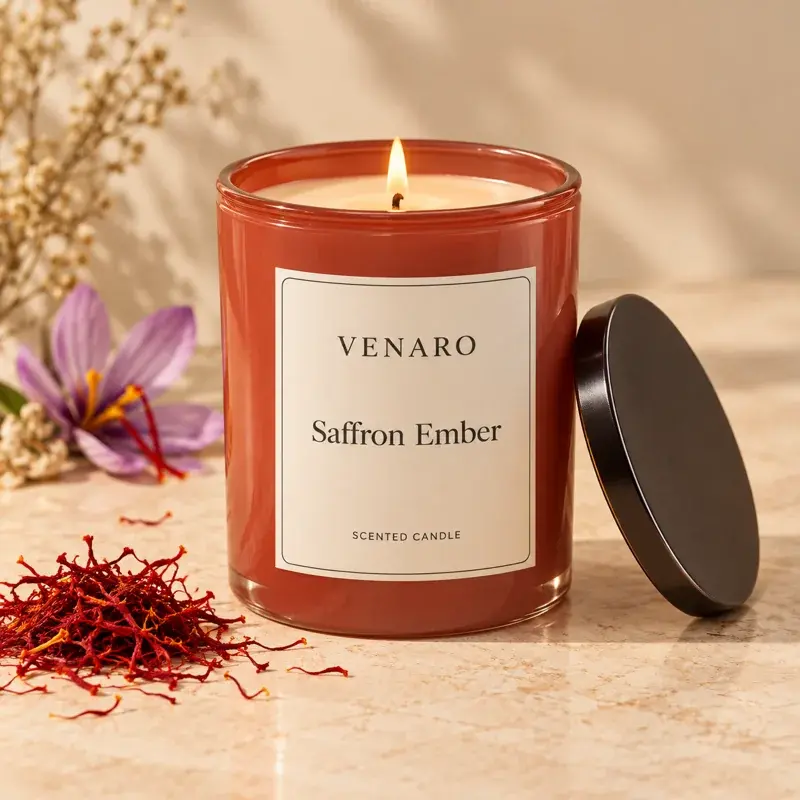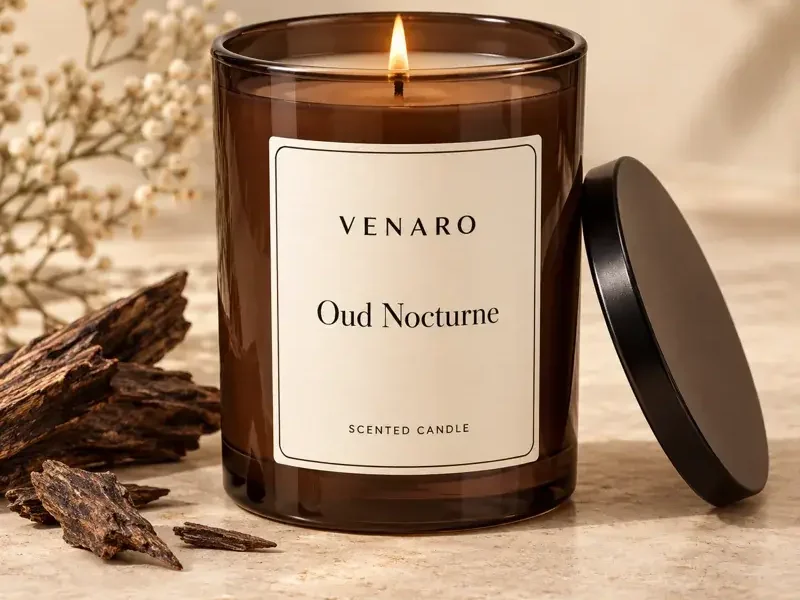
Oud and attar are the oldest living perfume traditions in South Asia and the Middle East, and today they shape perfumery everywhere. This masterclass covers where oud comes from, how attars are distilled, and how perfumers build oud accords that are consistent, wearable and sustainable.
By the end you will be able to
- Explain how agarwood resin forms and why wild oud is protected
- Describe the deg-bhapka method of attar distillation
- Recognise the main oud profiles and how they are worn
- Build and adjust a modern oud accord
Your kit
- Two or three oud oil or oud accord samples (different origins if possible)
- One or two traditional attars (for example ruh gulab and mitti)
- Materials for the teaching accord (below) at 10% dilution
Week 1 · What oud is
Oud (agarwood) is the dark, fragrant resin that forms in Aquilaria and related trees as a defence against infection. Healthy wood barely smells. Because wild trees were over-harvested, international trade is controlled under CITES, and plantation trees are now often inoculated to produce resin.
Exercises
- Smell two oud samples: note animalic, smoky, woody, sweet or medicinal facets. Regional styles differ widely, from barnyard-animalic to fruity and honeyed.
Homework: Write 150 words on how sustainability changes the way oud is used in perfumery.
Week 2 · Attars and the Kannauj tradition
In Kannauj, India, attars are still made by deg-bhapka hydro-distillation: flowers, earth or herbs are distilled in copper stills and the vapour is captured in sandalwood oil over days. Ruh is a pure distillate (ruh gulab, rose); mitti attar captures the smell of rain on baked earth; shamama is a complex blend of herbs, spices and resins.
Exercises
- Smell an attar on the back of the hand: oils sit close to the skin and evolve slowly over hours.
Homework: Compare an attar with an alcohol-based perfume of a similar theme.
Week 3 · Building a modern oud accord
Most perfumes marketed as “oud” use an accord rather than natural oud oil: smoky, leathery, woody and animalic materials, usually framed with rose and saffron.
Teaching formula (by weight)
| Material | Parts | For a 10 g trial |
|---|---|---|
| Cypriol (nagarmotha) | 200 | 2.00 g |
| Guaiacwood | 150 | 1.50 g |
| Birch tar (1% dilution) | 50 | 0.50 g |
| Safranal (1% dilution) | 100 | 1.00 g |
| Rose accord | 200 | 2.00 g |
| Labdanum resinoid | 100 | 1.00 g |
| Ambroxan (10% dilution) | 100 | 1.00 g |
| Patchouli | 100 | 1.00 g |
| Total | 1000 | 10.00 g |
Exercises
- Make the accord, then two variations: more rose and saffron (a “rose oud”), and more birch tar and labdanum (a “dark oud”).
Homework: Smell a Western oud perfume and identify the rose, saffron and woody-amber frame.
Week 4 · Wearing and layering
Across the Gulf and South Asia, scent is layered: clothes perfumed with bakhoor smoke, oud or attar oil on the skin, then an alcohol spray. In hot climates, oils and heavier bases last longer, while sprays give projection.
Exercises
- Layer an oud oil under a fresh or floral spray and evaluate over 8 hours.
Homework: Final project (below).
Final project
Final project: your own oud accord with three documented trials, and a short guide (for customers) on how to wear it in summer and in winter.
Safety
Birch tar and some smoky materials are restricted by IFRA. Buy oud only from suppliers who can show legal, documented origin.
Further reading
- CITES information on agarwood-producing species (cites.org)
- IFRA Standards for birch tar and other restricted materials (ifrafragrance.org)